
In Manitoba’s political history, few names carry as much cultural weight as Nellie Letitia McClung. Author, orator, activist, legislator, and reformer, McClung was one of the defining voices of the early 20th-century women’s movement in Western Canada. Her work helped secure women’s right to vote in Manitoba in 1916 and placed her at the centre of one of the most important constitutional challenges in Canadian history—the “Persons Case.”
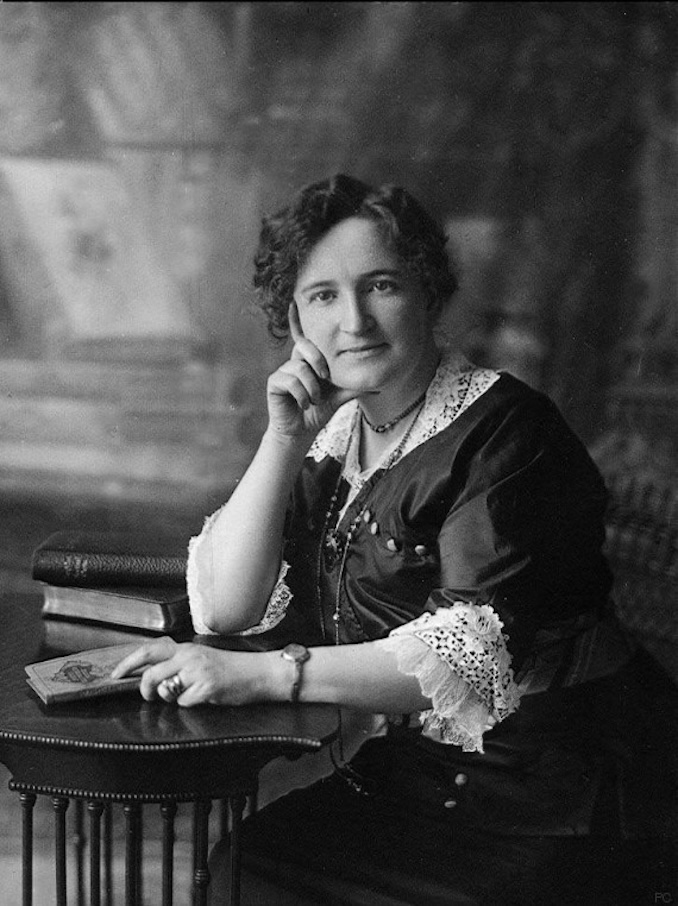
Although she would later live in Alberta and British Columbia, it was Winnipeg and Manitoba’s rapidly changing prairie society that helped shape McClung’s political imagination. In many ways, her story is also the story of Manitoba at a moment when it was shifting from frontier settlement to modern province.
From Ontario Roots to the Manitoba Frontier
Nellie McClung was born Nellie Letitia Mooney on October 20, 1873, in Grey County, Ontario. Her early childhood was marked by economic struggle, and in 1880 her family joined the wave of settlers moving west, relocating to the Souris River valley in what is now southern Manitoba.
The move placed McClung in a developing prairie society still shaped by homesteading, limited infrastructure, and emerging communities. Education opportunities were sparse, but McClung eventually attended the Manitoba Normal School and became a certified teacher at just sixteen years old.
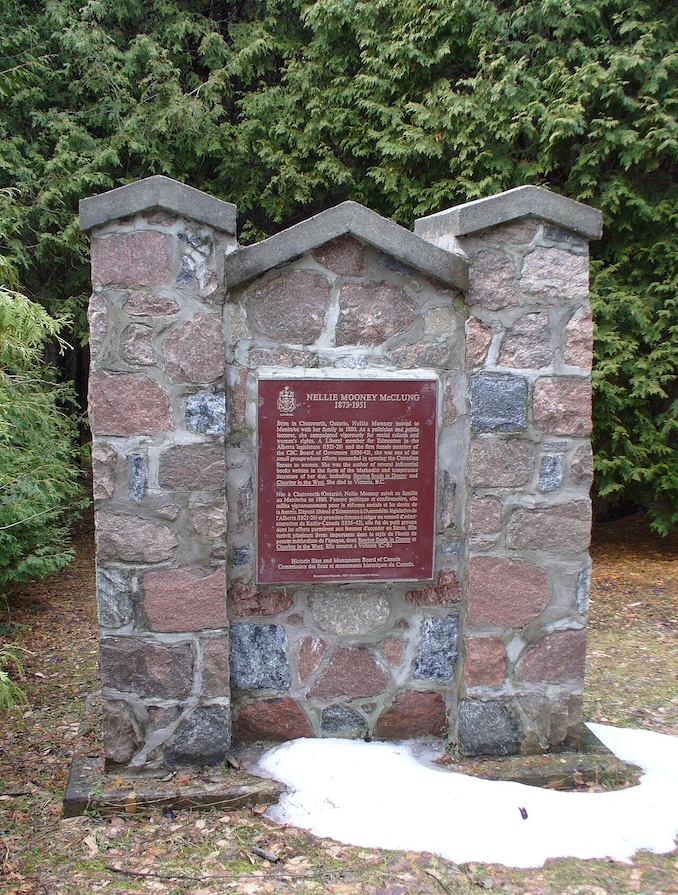
Her early years as a teacher in rural Manitoba gave her firsthand exposure to the challenges facing prairie families—economic uncertainty, limited services, and rigid social expectations for women. These experiences later became foundational material in both her writing and her political arguments.
Writing Her Way Into Public Life
Before McClung became a political figure, she became a literary one.
Her first major success came with the 1908 novel Sowing Seeds in Danny, a humorous yet pointed portrayal of prairie life that quickly became a bestseller in Canada and the United States.
McClung went on to publish sixteen books in total, including novels, short stories, and autobiographical works. Her writing was widely read and often used humour as a tool for social critique—especially when addressing gender inequality, temperance, and political reform.
But writing was only one part of her public life. McClung was also a gifted speaker, known for her ability to blend humour, satire, and sharp political argument in front of large audiences across Canada and the United States.
That combination of storytelling and performance would become one of her most powerful political tools in Manitoba.
Winnipeg and the Rise of a Political Voice
McClung moved to Winnipeg in 1911, arriving at a time when the city was rapidly growing and becoming a hub for political activism and reform movements.
It was here that she became deeply involved in organizations such as the Women’s Christian Temperance Union and the emerging women’s suffrage movement. These groups believed that women’s political participation was essential to addressing issues such as alcohol abuse, labour conditions, and social welfare.
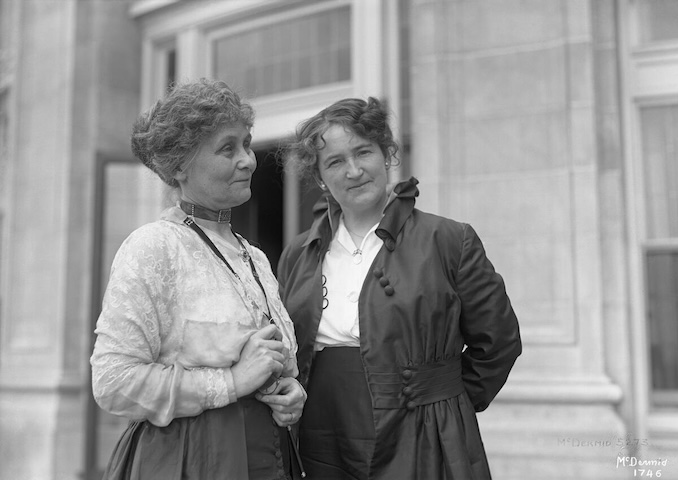
McClung also became a leading figure in the Political Equality League, a Manitoba organization dedicated specifically to securing the vote for women. Through speeches, debates, and public performances, she became one of the most recognizable suffrage voices in Western Canada.
The Mock Parliament That Changed the Debate
One of the most famous moments in Manitoba’s suffrage history took place in 1914, when McClung and members of the Political Equality League staged a mock “Women’s Parliament” in Winnipeg.
In this theatrical event, women reversed traditional political roles, with McClung herself satirizing the arguments used by opponents of women’s suffrage. The performance depicted a fictional government rejecting the idea of giving men the vote, exposing the contradictions in anti-suffrage reasoning through humour and role reversal.
The event was widely discussed and is credited with helping shift public opinion in Manitoba. While suffrage had already been gaining momentum, the mock parliament made the debate impossible to ignore in the province’s political mainstream.
Manitoba Leads the Way: Women Win the Vote
Just two years later, in 1916, Manitoba became the first Canadian province to grant women the right to vote and hold provincial office.
This milestone placed Manitoba at the forefront of democratic reform in Canada and marked a turning point in the national suffrage movement. Saskatchewan followed shortly after, reinforcing the prairie provinces as leaders in early women’s political rights.
While McClung was not the only activist involved, she was one of the most visible and effective public advocates, helping translate political arguments into popular support.
Beyond Suffrage: A Broader Reform Agenda
After suffrage was achieved in Manitoba, McClung continued her activism on a wide range of issues, including:
- labour protections and workplace safety
- rural healthcare access
- women’s property and legal rights
- minimum wage laws
- equal rights in divorce and family law
Her work reflected a broader prairie reform movement that saw political change not as a single goal but as an ongoing effort to reshape social conditions.
In 1921, McClung herself entered formal politics, being elected to the Alberta legislature, where she served until 1926.
The Famous Five and the “Persons Case”
McClung’s most enduring constitutional legacy came later, as one of the “Famous Five”—a group of women who challenged whether women were legally considered “persons” under Canadian law and therefore eligible for appointment to the Senate.
The case, known as the Persons Case, ultimately succeeded at the Judicial Committee of the Privy Council in 1929, establishing that women were indeed “persons” under the law.
Although this legal battle took place after her Manitoba years, it built directly on the political momentum she had helped generate in Winnipeg and across the Prairies.
Later Life and Continuing Influence
McClung remained active in public life well into her later years. She wrote extensively, published autobiographical works, and continued speaking on social issues across Canada.
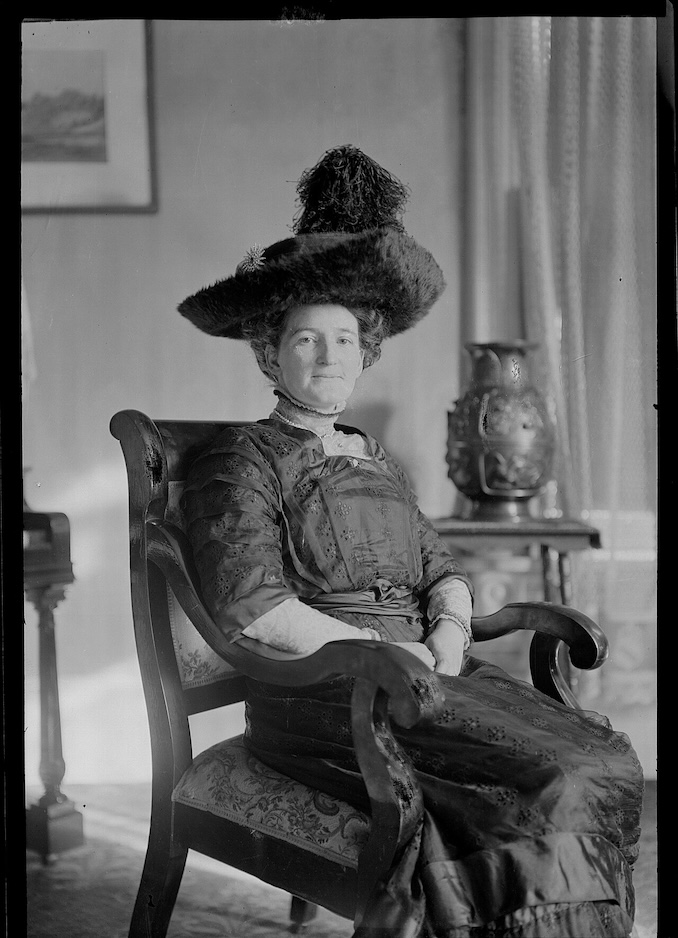
She was also appointed to the first board of governors of the Canadian Broadcasting Corporation and served as a Canadian delegate to the League of Nations in 1938.
Her later years were spent in British Columbia, but her influence continued to be felt across the country.
A Complicated Legacy
Like many major historical figures of her era, McClung’s legacy is complex.
She was a powerful advocate for women’s rights, education, and social reform. At the same time, historians note that some early 20th-century reform movements—including those McClung was connected to—were entangled with ideas that are now widely criticized, including paternalistic social policies and support for state intervention in reproduction laws.
Understanding McClung today requires acknowledging both her significant contributions to democratic reform and the limitations of her historical context.
Manitoba’s Enduring Connection
For Manitoba, Nellie McClung remains more than a historical figure. She represents a period when civic activism, literature, performance, and politics intersected to reshape the province’s identity.
Her years in Winnipeg were especially formative—not only for her, but for the province itself. The debates she helped ignite, the organizations she strengthened, and the political changes she helped secure continue to influence Manitoba’s democratic institutions today.
More than a century later, McClung’s question still echoes through Manitoba’s civic memory: who gets to participate in democracy, and how does that definition expand over time?
In answering that question, she helped change the province—and the country.