History doesn’t preserve itself — it takes people willing to track down the photographs, the oral histories, and the stories tucked away in basements and community archives before they’re lost for good. That’s the work driving the Canadian Pride Historical Society, a Winnipeg-founded, volunteer-powered charity dedicated to documenting and sharing the history of the Pride Movement across Canada. We spoke with founder, Chair and President Jonathan Niemczak about why this work matters, what it took to build a national archive from the ground up, and how readers can help make sure these stories aren’t forgotten.
Describe your charity/non-profit/volunteer work in a few sentences
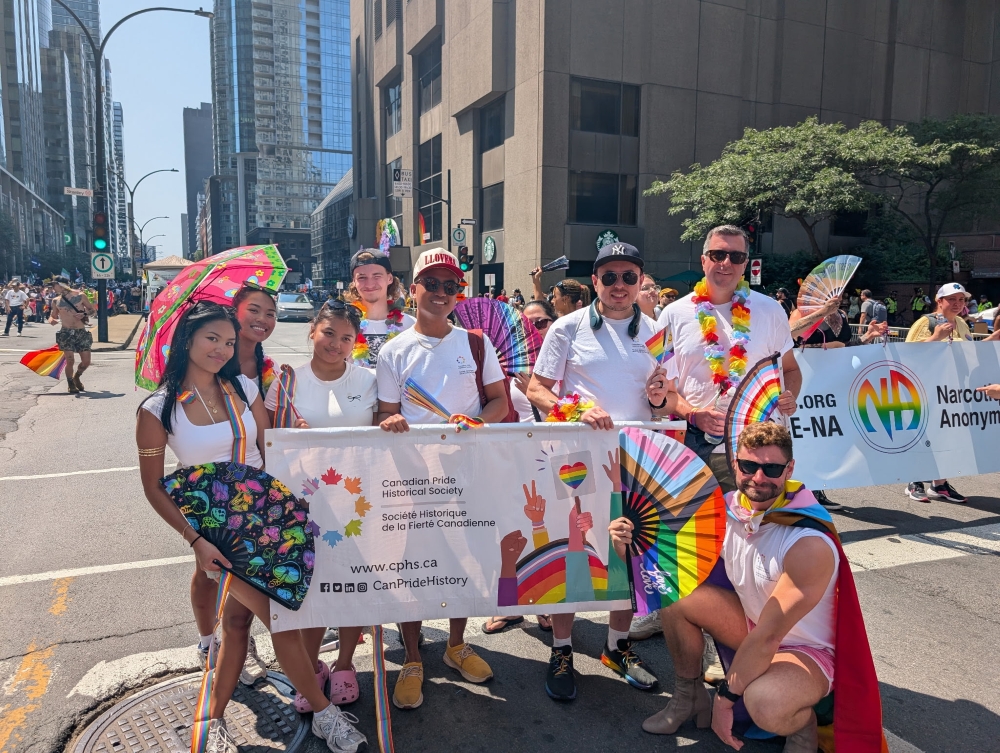
The Canadian Pride Historical Society is a national, volunteer-powered registered charity and digital museum dedicated to documenting, preserving and sharing the history of the Pride Movement in Canada. Through historical research, educational resources, oral histories, videos, exhibits and community programming, we connect people with the stories of those who helped advance 2SLGBTQIA+ rights and build Pride movements in communities across the country.
Our goal is not only to document what happened, but also to help people understand why Pride exists and why its history remains relevant today.
What problem does it aim to solve?
Much of the history of the Pride Movement in Canada is scattered across archives, community organizations, books, personal collections and the memories of the people who experienced it. Some stories have been well documented, while others, particularly those from smaller communities and historically underrepresented groups, remain difficult to find or are at risk of being lost.
CPHS works to bring these histories together, preserve them for future generations and make them accessible to students, educators, researchers and members of the public.
When did you start/join it?
The Canadian Pride Historical Society was founded in Winnipeg in 2020. Since then, we have grown into a national organization supported by volunteers from communities across Canada.
What made you want to get involved?
Before establishing CPHS, I spent many years involved with Pride Winnipeg, including serving as its president. During that time, I regularly encountered people who knew very little about how Pride began in Winnipeg or elsewhere in Canada.
People would attend Pride celebrations without necessarily knowing about the protests, organizing, discrimination, courage and community-building that made those celebrations possible. I realized that important pieces of our collective history could disappear unless someone made a coordinated effort to preserve and share them. That recognition became the foundation for CPHS.
What was the situation like when you started?
When we began, there was no single national home for the history of the Pride Movement in Canada. Information was spread across many different sources, and the amount of documentation available varied considerably between communities.
We also started during the COVID-19 pandemic, when community organizations were adapting to enormous challenges. We began as a small group of volunteers working remotely, developing our research methods, forming partnerships and determining how we could responsibly document a history that belongs to many different communities.
How has it changed since?
CPHS has grown significantly in both its reach and the scope of its work. We are now a registered charity with volunteers across Canada working in research, education, oral history, digital content, community engagement and organizational support.
We have researched and documented more than 2,200 Pride milestones, developed bilingual educational resources, produced historical videos and virtual exhibits, conducted community-based research and built partnerships with archives, museums, educational institutions and Pride organizations. What began as an idea in Winnipeg is becoming a national resource for preserving and understanding Pride history.
What more needs to be done?
There are still many stories that have not been adequately documented. More work is needed to preserve histories from rural, remote and northern communities, as well as the experiences of Two-Spirit and Indigenous people, trans and gender-diverse communities, Black and racialized communities, Francophone communities, people with disabilities and others whose contributions have often been overlooked.
There is also an urgent need to record oral histories while the activists, organizers and community members who helped build earlier Pride movements are still able to tell their stories in their own words. Preserving this history requires long-term investment, community trust and collaboration between historical organizations, archives and the communities whose stories are being documented.
How can our readers help?
Readers can support CPHS by donating, volunteering or helping us connect with people and organizations that hold important pieces of Pride history. We are especially interested in hearing from people who have photographs, documents, event materials or personal memories connected to Pride movements in Canada.
People can also help by using and sharing our educational resources, following our work online and encouraging others to learn more about the history behind Pride.
Do you have any events coming up?
On October 16 and 17, 2026, CPHS will host Pride History in Canada, our first national bilingual virtual conference focused on preserving, sharing and learning from the history of the Pride Movement in Canada.
The conference will bring together researchers, educators, archivists, community leaders, activists, students and members of the public for presentations, discussions and opportunities to strengthen collaboration across the country.
Conference information and registration here.
Readers can also visit our events page for information about other upcoming activities.
Where can we follow you?
Website | Instagram | Facebook | LinkedIn | YouTube
PAY IT FORWARD: What is an awesome local charity that you love?
Rainbow Resource Centre is an incredible local charity that provides essential support, education and community programming for 2SLGBTQIA+ people in Winnipeg and across Manitoba. Its work helps create safer, more welcoming spaces while connecting people with counselling, resources, social programs and a strong sense of community. The Centre has played an important role in supporting generations of 2SLGBTQIA+ Manitobans, and I deeply value its continued leadership and impact.